
The evolution from LTE (Long-Term Evolution) to 5G represents a significant leap in wireless communication technology, impacting everything from data speed to network architecture and latency. Understanding the key differences between these two standards is essential for both consumers and enterprises planning for future connectivity.
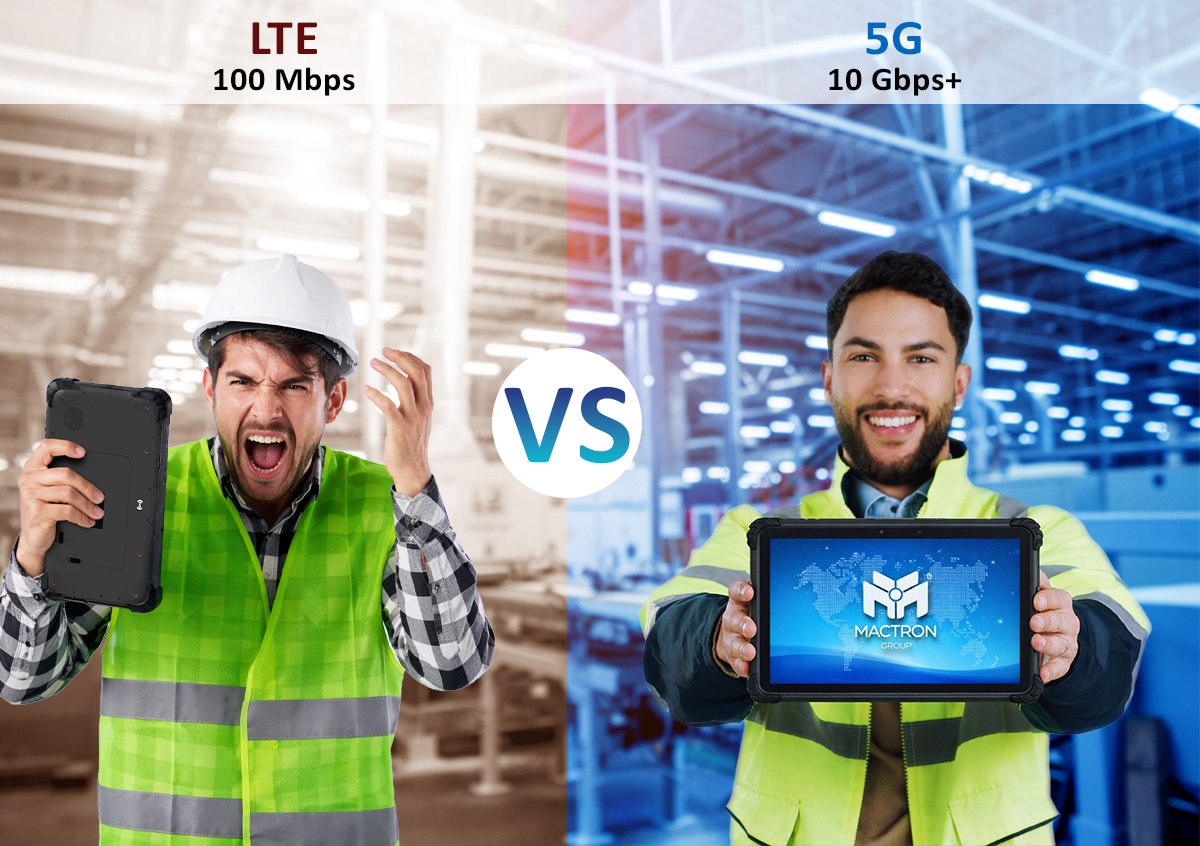
One of the most noticeable differences between LTE and 5G is speed. LTE networks typically offer download speeds ranging from 10 to 100 Mbps under optimal conditions. In contrast, 5G can achieve theoretical peak speeds exceeding 10 Gbps, depending on the frequency spectrum used. This increase is largely due to 5G’s utilization of higher frequency bands, including millimeter waves (24 GHz to 100 GHz), which allow wider channel bandwidth and higher data throughput.
| Feature | LTE | 5G |
|---|---|---|
| Peak Download Speed | 100 Mbps | 10 Gbps+ |
| Frequency Bands | Sub-6 GHz | Sub-6 GHz & mmWave (24–100 GHz) |
| Latency | 30–50 ms | 1–10 ms |
Latency, or the time it takes for data to travel from source to destination, is significantly lower in 5G. LTE latency typically ranges from 30 to 50 milliseconds, which is adequate for mobile browsing and video streaming. However, 5G reduces latency to 1–10 milliseconds, enabling near real-time applications such as autonomous vehicles, remote surgery, and immersive augmented reality experiences.
LTE relies on a relatively centralized network architecture, with base stations connecting directly to a core network. 5G, however, introduces a more flexible, software-defined architecture, including network slicing and edge computing. Network slicing allows operators to create multiple virtual networks on a single physical infrastructure, each optimized for specific applications, from IoT devices with low bandwidth needs to high-speed gaming. Edge computing brings data processing closer to end users, further reducing latency and improving efficiency.
5G significantly improves device connectivity compared to LTE. While LTE supports approximately 2,000 devices per square kilometer, 5G can handle up to 1 million devices in the same area. This capability is crucial for the growth of IoT ecosystems, smart cities, and industrial automation, where thousands of sensors and devices communicate simultaneously.
5G networks are designed to be more reliable and energy-efficient. LTE networks often struggle under peak load conditions, leading to network congestion. 5G employs advanced modulation schemes, beamforming, and massive MIMO (Multiple Input, Multiple Output) technology, allowing more efficient spectrum use and improved signal reliability, even in dense urban environments.
While LTE has provided robust and widespread connectivity for over a decade, 5G represents a transformative
shift in wireless technology. Its higher speeds, lower latency, flexible network architecture, and support
for massive device density position it as the foundation for future digital ecosystems. As 5G adoption
continues to grow, understanding these technical differences is critical for both businesses and consumers
seeking to leverage next-generation connectivity.